I call myself a T1D. Do you call yourself a doctor?

The past week has been filled with some awful doctor’s appointments, and for once, it has had nothing to do with my diabetes. It’s just been a combination of poor, careless, rude, and inept care as well as well feeling like I’ve been mislead and deceived. All of this has resulted in unnecessary pain, both physical and emotional and let’s just say I’ve about had it.

But while the doctor’s appointments were not directly about my diabetes, inevitably, it always comes up. Today’s encounter with the doctor was made even worse by the following conversation.

Doc: Do you take any medications?

Me: Yes I use humalog insulin, I have type 1 diabetes.

Doc: Do you have any complications with your kidneys, eyes, ulcers, nerve damage, etc?

Me: No I don’t.

Doc: About how much insulin do you use a day?

Me: Well, I have a pump, but somewhere between 40-50 units a day.

Doc: And you called yourself a type 1 diabetic?

Um seriously?! I’m sorry, I don’t know if you meant to frame the question like that, but I don’t “call myself” a type 1 diabetic as if I have a choice or am choosing that label, that was the diagnosis that I was given 13 years ago. That is the disease that I live with and manage every day. I was not given a choice of what I “call myself” as if I could choose something else. I don’t call myself a type 1 diabetic, I am a type 1 diabetic.

Me: Yes, I have type 1 diabetes.

He went on to ask a series of other questions related to the purpose of my visit, moving away from the topic of my diabetes. Then out of the blue, he asks, “and you don’t have any damage to your kidneys?”

Excuse me sir!!! You already asked me about complications and I already gave you an answer!! Were you not listening to me? Do you not believe that someone with diabetes can not have kidney damage, is that why you are asking me twice? Maybe that’s what you learned way back when you were in medical school (yes, I’m calling you old), but it is possible to be without complications.

I couldn’t believe this doctor. I could quite possibly be overacting. But seriously, how hard is it to take 3 seconds and think about how the questions you ask and the way you phrase it can affect a person?! The appointment went on to really become the visit from hell for a plethora of other reasons. Blood was lost, tears were shed, and curse words were muttered silently.

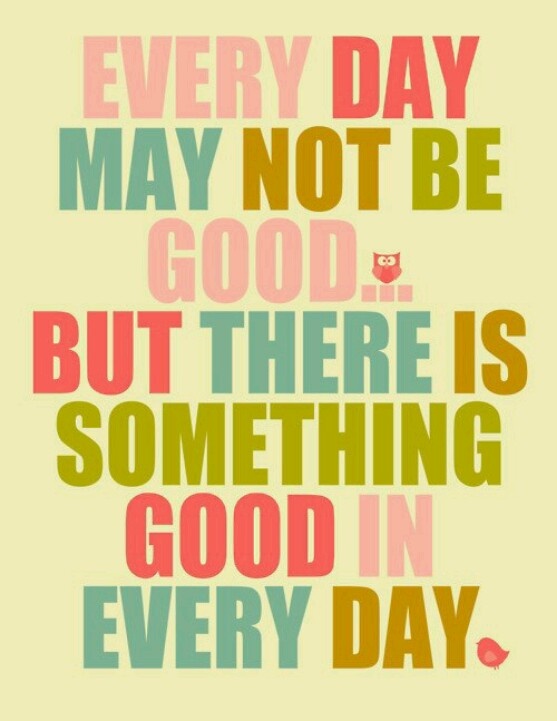
Today is wisdom wednesday, and so I feel that I should end this post with a quote that will help me put this stressful and upsetting day behind me and to start fresh again tomorrow. Here’s hoping tomorrow will be better than today.

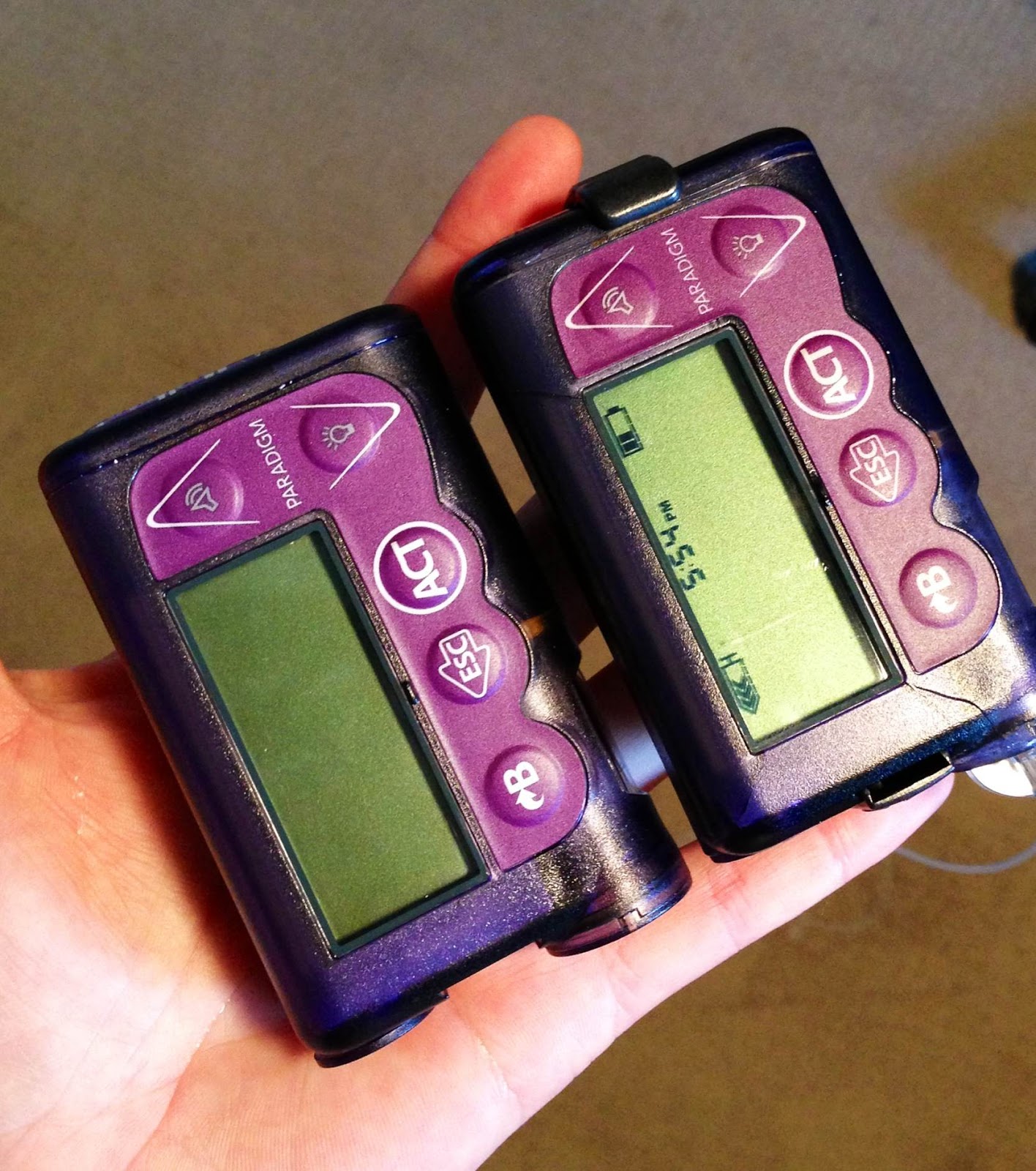
Double…pumping?

Clearly if one pump is good, two pumps must be better, right?

Not quite.

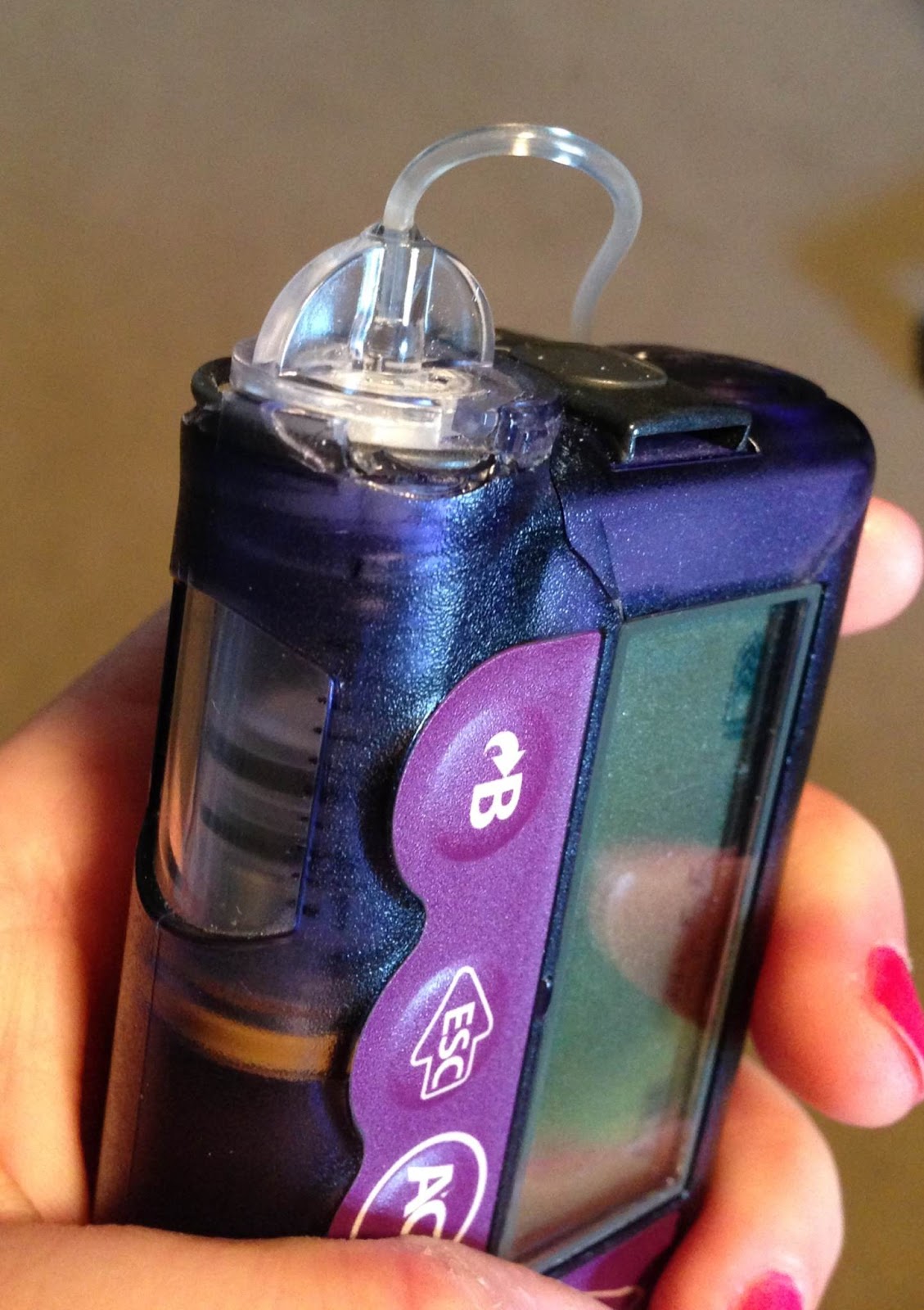
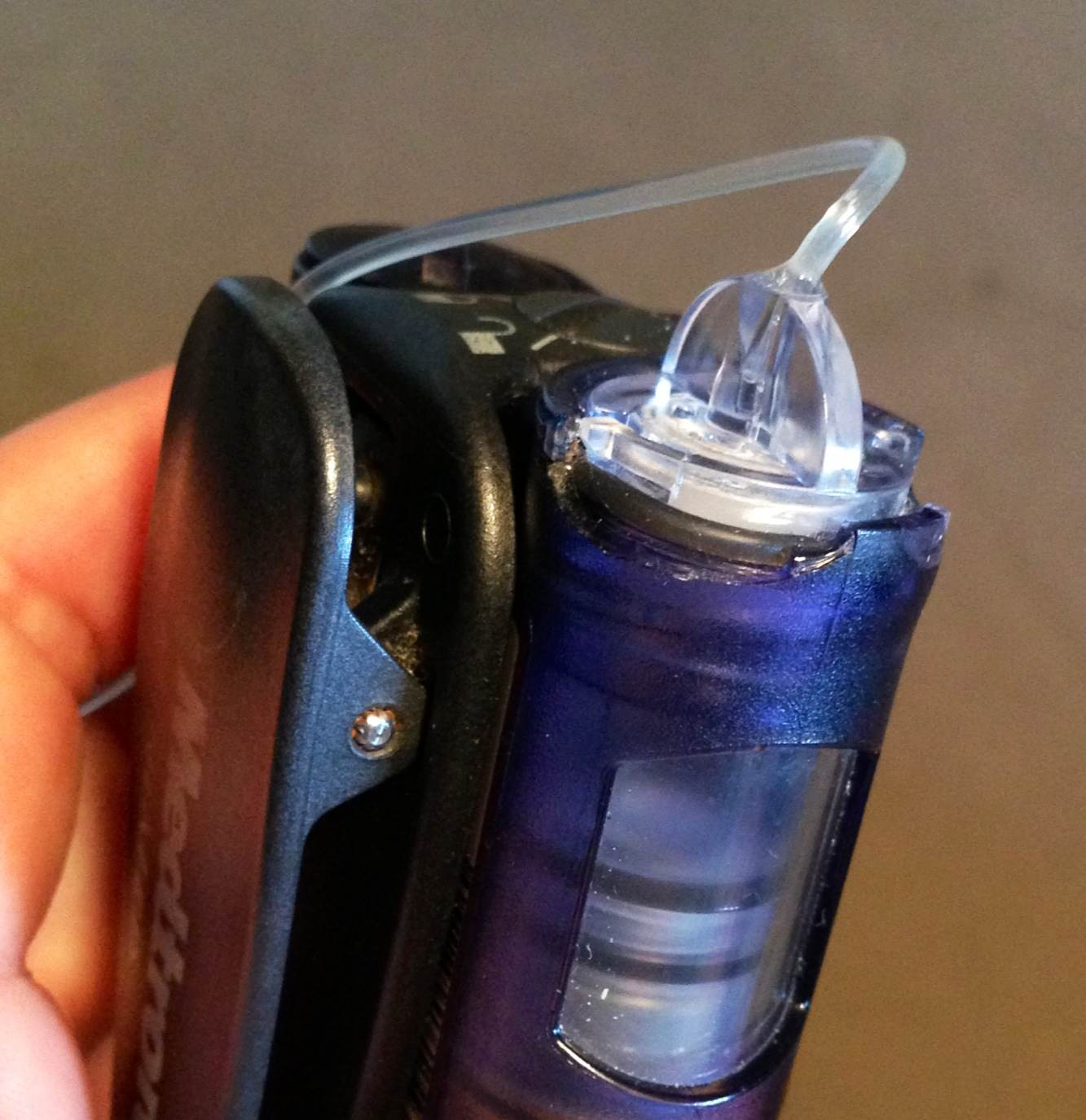
I noticed that the plastic at the top of my pump where the reservoir fits in had started to chip away. Pieces of plastic were literally missing from my pump. Actually, I noticed that happening awhile ago, but my pump was working fine so I kept using it. It wasn’t until the rubber stopper became exposed and almost fell out that I began to think that I should probably consider getting a replacement pump.

With the rubber stopper out, it basically means that my pump is not waterproof. I’ll be honest though, I have no idea just how waterproof my pump is. I remember my old ones not being waterproof at all, then one was dunk/splash proof, but I’m pretty skeptical that the medtronic pumps are in fact waterproof. Actually, I just pulled out the user manual and it says to “avoid immersing your pump in water”, so that answers my question.
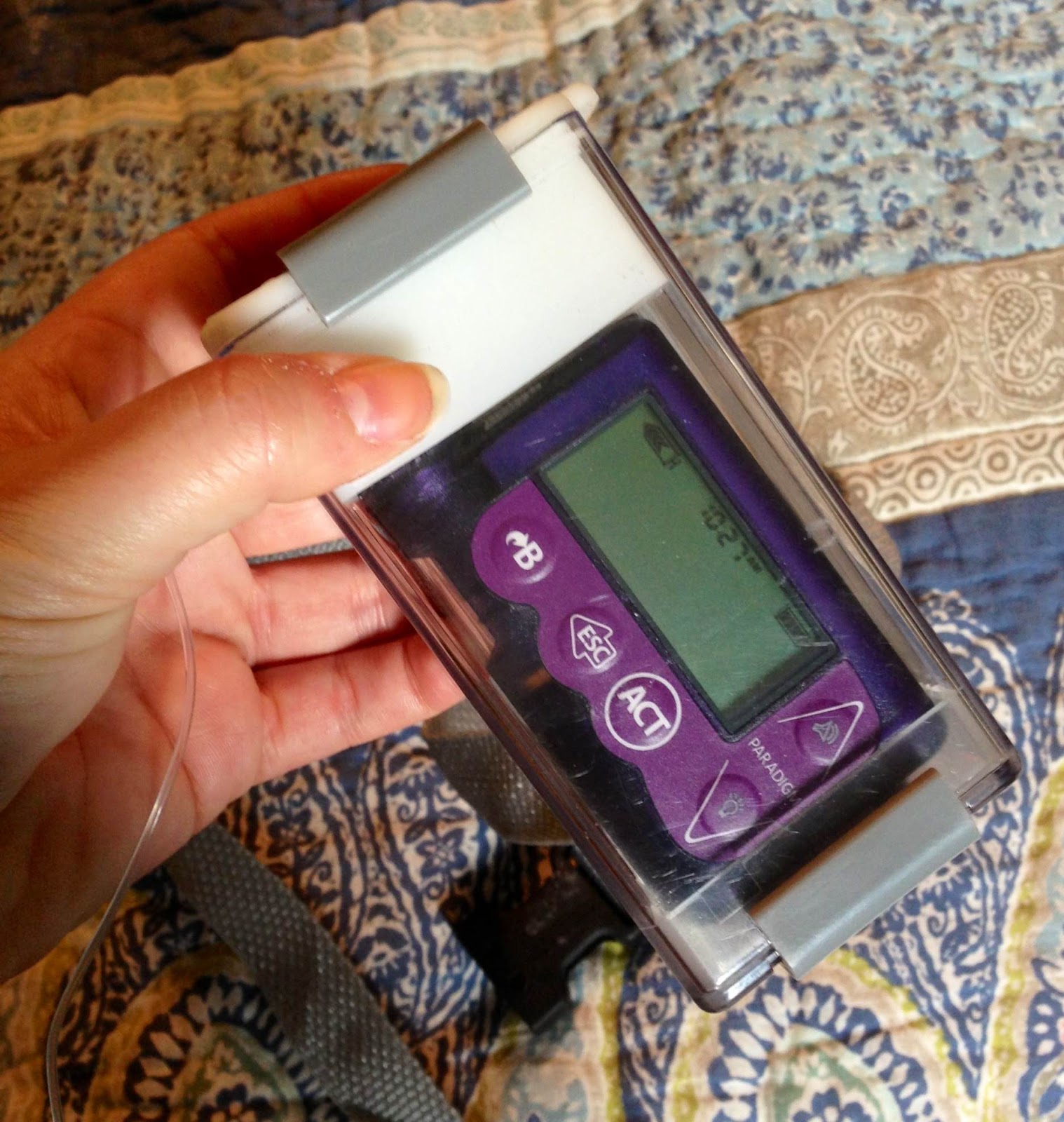
I remember when I went to diabetes canoe camp, I bought a special water proof holder for my pump. Since we would be spending the majority of the day in a boat on the water, I couldn’t just disconnect for the duration of the activity. There had to be a way to wear my pump, but protect it from getting wet. So 10 years ago I found this contraption, called the sport guard. The pump fits into a plastic case with an airtight rubber top and then clipped around me. Not too fancy, but it got the job done. 
I’ve been lucky that my pump has avoided water the past 13 years. It’s never fallen out of my pocket and into a toilet, I’ve never fell or been pushed into water while I was wearing it, and torrential rainstorms haven’t really been an issue.
However, one of the most important rules with diabetes is to always be prepared. Walking around with a pump that was not up to standard seemed to be asking for trouble. So I called medtronic and they had a replacement pump shipped out the next day. 
I don’t plan on submerging my pump in water any time soon, but at least now I’m prepared. 

Mosquitos’ Quest for The Sweet One

Gather around fellow mosquitos. Closer, I won’t bite. Oh wait, yes I will. Haha only kidding. Let me tell you a story about the human of all humans. The most rare and mystifying human treat that ever existed. Most of you will go your whole little mosquito lives without ever experiencing the delectable blood of this human. But for a lucky select, you will experience a meal far beyond your wildest expectations. For you see, this human has blood that is intoxicatingly sweet in flavor. They are called diabetics but we call them “The Sweet One”. One drop and you will think that you died and went to heaven. You can smell these divine humans from over 50 meters away. Their thrilling scent will lull you towards them. Follow that scent!

Now listen to me, if you ever to happen upon The Sweet One, suck as much blood as you can! Do you understand?! Don’t stop at one bite, keep going! Call your friends over, all of them! You do not want to miss out on this opportunity to indulge in the treat of a lifetime!

You’re probably thinking, how can such a human exist. Sweet, sugary blood? Impossible! Well, I fly before you having tasted this coveted blood myself. Sure I almost died trying to taste it, but you know what? It was worth it.

So fly forth my mosquito brethren, and feast upon The Sweet One!

Image from http://www.rosslab.neurobio.pitt.edu/mbi/

This is seriously what I think mosquitos say to each other. I’ve always been a mosquito magnet, accumulating more bug bites each summer than everyone else. I joke and say it’s because my blood is so sweet, but I’m not sure if there is any scientific fact to that. The closest I could find was Mike’s post on Diabetes Mine where his vet told him people with diabetes are more susceptible to bug bites, including mosquito and fleas. Anecdotal evidence however, seems to clearly supports this.

Either way, every mosquito that gets a bite of me (there were over 20 in the past 2 days!), better realize how lucky he is to have bitten The Sweet One!

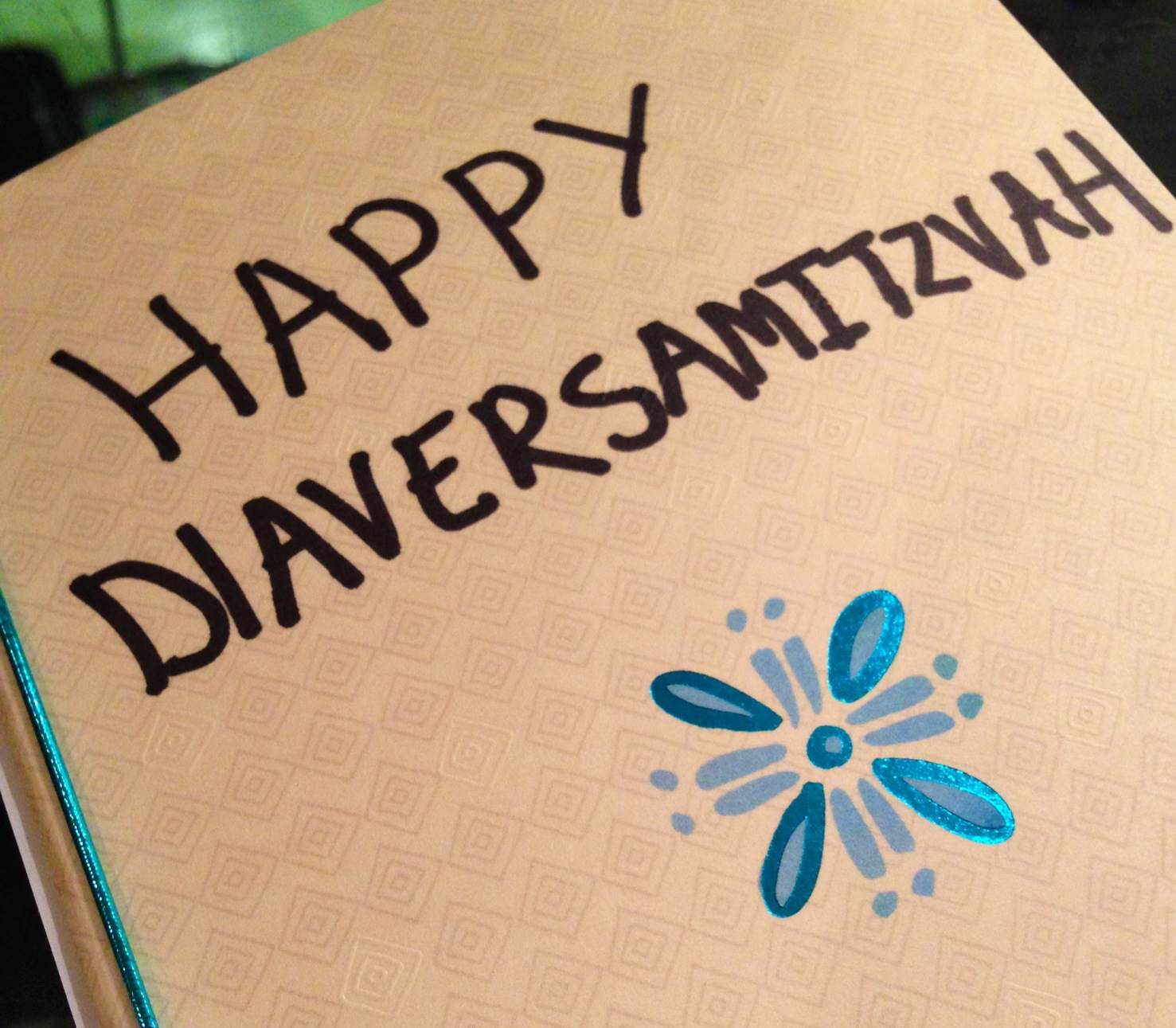
Diaversamitzvah

Today is my 13th Diaversary (diabetes anniversary)! This is significant for 2 reasons:

1. Since my 25th birthday was a few days ago, I now have officially lived more of my life with diabetes than I have without.

Image from mitzvahmarket.com

2. In the Jewish tradition, your 13th year is when you have/become a Bar or Bat Mitzvah. It’s a religious ceremony and celebration of a person reaching maturity and accepting the responsibilities and commitments of the Jewish faith. After the religious service, most people have a party or some sort of celebration. Where I am from, a typical component of the party was the candle lighting ceremony. During this time, the Bat Mitzvah celebrant would recognize and thank all the people who helped her and who have a great influence in her life. The person is called up to help light their candle. In recent years, it has taken on the tradition of being done in the form of short poems.

So in honor of my Diaversamitzvah (diabetes+anniversary+bat mitzvah), I would like to take this opportunity to thank in a similar manner, all those who have helped me during the past 13 years.

13 years ago on this day,
Type 1 diabetes came my way.
Although its been hard and a lot to take in,
I know that I’ll never let my diabetes win.

To my parents, I dedicate candle number one,
You’ve always been by my side, even when it was no fun.
Your help, love, and support mean the world to me,
Diabetes won’t stop me, this you helped me to see.

My sister, you get candle number two,
You are my best friend, your loyalty is true.
Of the needles and blood, you were never afraid,
You never hesitated to come to my aid.

Extended family, candle number three is for you,
Your loving concern is clear in all that you do.

Number four goes to all the doctors I’ve had,
You’ve helped me so much, through the good and the bad.

My blood sugar meter gets candle number five,
For perfect numbers, you help me to strive.

Candle number six is for my insulin pump,
Without you I know I’d be stuck in a slump.

My CGM Gigi, you get candle seven,
Having you to help has been pure heaven.

All of my friends, candle eight is for you,
The highs and the lows, you’ve all helped me through.
You know what to do when I drop low or high,
A favor you’ll do even without asking why.

The DOC, please light candle nine,
Your virtual support has helped me to shine.

Candle ten is for my delicious fruit snack,
Whenever I’m low, you always have my back.

Candle eleven is for my insulin which I can not exclude,
because without you, insulin, I’d certainly be screwed.

I dedicate candle twelve to sugar so sweet,
A greater love/hate relationship, you’ll never meet.

My final candle goes to one kind of strange,
to my broken pancreas, someday that will change.

Happy Diaversamitzvah to me on this day!
Happy and healthy, this is the way I will stay!

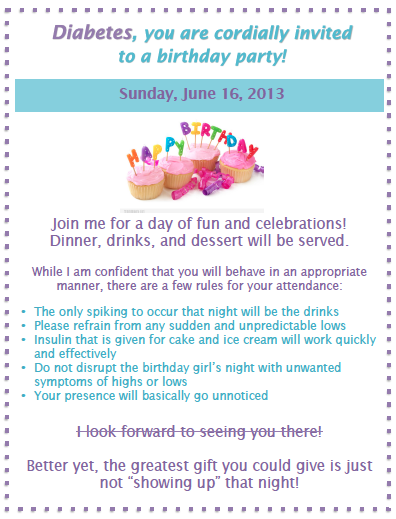
If I was really designing a card, I’d put the
Diabetes blue circle and a jewish star

Glucose Numbers- A Private Matter?

Age, weight, height, blood pressure, cholesterol, A1c, eye glass prescription, these are all numbers that in some way either reflect the health of an individual or give us clues about the person. However, we share some of these numbers much more freely than others. Most people don’t really think twice when answering how tall they are, but if asked how much they weigh, people are much more hesitant to answer. Why is it though that we tend to keep our weight and other numbers more private? Is it because we fear the judgement that may be attached to our answers? That somehow that number sends a message that we may not like?

I’ve talked about numbers and motivation in the context of diabetes before. But now I want to talk about something else related to those numbers.

During my teenage years with diabetes, my glucose numbers became a much more private matter, probably much to the displeasure of my parents. My parents, doing their due diligence, would ask me what my number was before meals, when I complained of not feeling well, and throughout the day. However, in my teenage mind, my numbers weren’t really any of their business. “How’s your number?” would either be responded with “fine”, “its high” or “it’s low” (no more details than that), “don’t worry about it”, or often silence. When I would poke my finger, I remember hiding the meter in my case so that my parents couldn’t see the number. At this point in my D-life, my numbers were probably running on the higher side. Lectures about testing more, being better about my boluses, and the like were common during this time. I’m not saying that I didn’t tell them at all or let them help me when I was struggling, it’s just that in general I remember this time as being more private about that information.

I’m sure that in my mind, keeping a number to myself was saving me from disapproval from my parents, but also from myself. Because you see, a reading of 250 isn’t just a number. It’s a high number, a number outside of the range where it should be. And while sometimes it goes high despite doing everything right, it usually was outside of that range because of something that I did or did not do. Something that I did wrong. For me, there was guilt and blame attached to that number, there was a sense of failure connected to that high number. Answering “How’s your number?” with 250 (or on the other end of the spectrum, 65) is essentially saying, “Yeah I messed up somewhere”.

Now think about this from the perspective of a teenager. Your teenage years are when you are trying to prove your independence from your parents. A time when you show that you can take care of yourself, have more freedom, and figure out who you are. Answering “How’s your number?” with a high blood sugar would in my teenage mind, completely defeat that purpose. I didn’t want my parents thinking that I couldn’t take care of myself or do things on my own. I did need help getting my numbers under control, and that would take years, but I didn’t want that lack of control to keep me from the other privileges of my teenage years. So I often hid that number or gave vague details. Clearly this didn’t help with getting better control, but that’s part of the struggle of diabetes and being a teenager.

Somewhere between then and now, I began to see those numbers less as a sign of doing something wrong, and more as a clue to help me have better control. If it’s high, why is it high? Did I not give enough insulin? Was my carb counting off? Is there something else that could be affecting my numbers? Am I normally high at this time of day? How’s my infusion set? I don’t hide my numbers the way I used to. Granted, I have way fewer highs than during those teenage years, but my glucose number isn’t quite as private anymore. However, I wonder if I will ever completely be able to dissociate a high number from the feeling of guilt. But on the other hand, without some emotion attached to the number, I might not care enough about it to take action.

I had my mom read this post prior to publishing it. Her first reaction was half jokingly saying, “Oh that explains a lot”. But my mom, while acknowledging the feelings of guilt, has bigger hopes for me. She wonders if I can shift my perspective on how I view those high numbers and replace the negative with the positive energy of taking action. That way, I can work to release myself from the negative feelings of guilt, but still have the positive drive and motivator to do my best for myself and for my health.

I know it won’t be easy, but I do hope one day to not have guilt associated at all with my diabetes.

#FirstWorldDiabetesProblems

Background: If you aren’t familiar with the meme #FirstWorldProblems, here’s an explanation I found that pretty much sums it up:

First World Problems are frustrations and complaints that are only experienced by privileged individuals in wealthy countries. It is typically used as a tongue-in-cheek comedic device to make light of trivial inconveniences.”

You can check out some examples on twitter.

Anyway, it got me thinking about some privileged inconveniences related to Type 1 Diabetes. With so many very real obstacles and challenges to deal with everyday, it is nice every once in awhile to try to see the more trivial problems and the comedic side of dealing with diabetes as well. Although I must admit, it was pretty hard to think of these.

 If you have any that you’d like to add, I’d love to hear them!


The store only has the generic glucose tablets left #FirstWorldDiabetesProblems

My new pink CGM clashes with my colored case #FirstWorldDiabetesProblems

This packet of fruit snacks for my low doesn’t have any of my favorite flavors in it #FirstWorldDiabetesProblems

I bolused for those chips but now I don’t feel like eating them #FirstWorldDiabetesProblems

My friend thinks all these people are calling me when my purse vibrates, but really I have no messages and its just my CGM going off #FirstWorldDiabetesProblems

My infusion set tape leaves funky tan lines when I’m tanning #FirstWorldDiabetesProblems

My CGM is going off in the other room, but I don’t want to get out of bed to read it #FirstWorldDiabetesProblems

My glucose meter isn’t backlit so I can’t read it in the dark #FirstWorldDiabetesProblems

They were out of pink colored infusion sets, so I had to order blue #FirstWorldDiabetesProblems

The free drinks at this event are all regular and not diet #FirstWorldDiabetesProblems

I have all these free glucose meters but they all use a different brand of test strips #FirstWorldDiabetesProblems

When people ask if my insulin pump is a pager, I feel like I seem outdated and behind the times #FirstWorldDiabetesProblems

My lulu lemon yoga pants don’t have pockets for my pump #FirstWorldDiabetesProblems

My outlet is full and I can’t charge my glucose meter, CGM, iPhone, and laptop all at the same time #FirstWorldDiabetesProblems

My CGM doesn’t have a tone that I like #FirstWorldDiabetesProblems

The sugar-free option tastes bad #FirstWorldDiabetesProblems

I always end up with more syringes than infusion sets at the end of the month and have to change my order the next time #FirstWorldDiabetesProblems

There are 1000 diabetes related apps for droids but only 600 for iOS #FirstWorldDiabetesProblems

The coffee shop is out of Splenda #FirstWorldDiabetesProblems

All my diabetes devices wont fit in the clutch that matches my outfit #FirstWorldDiabetesProblems

My insulin pump is only dunk proof and not water proof
#FirstWorldDiabetesProblems


Color For A Cure- JDRF Illinois Family Day

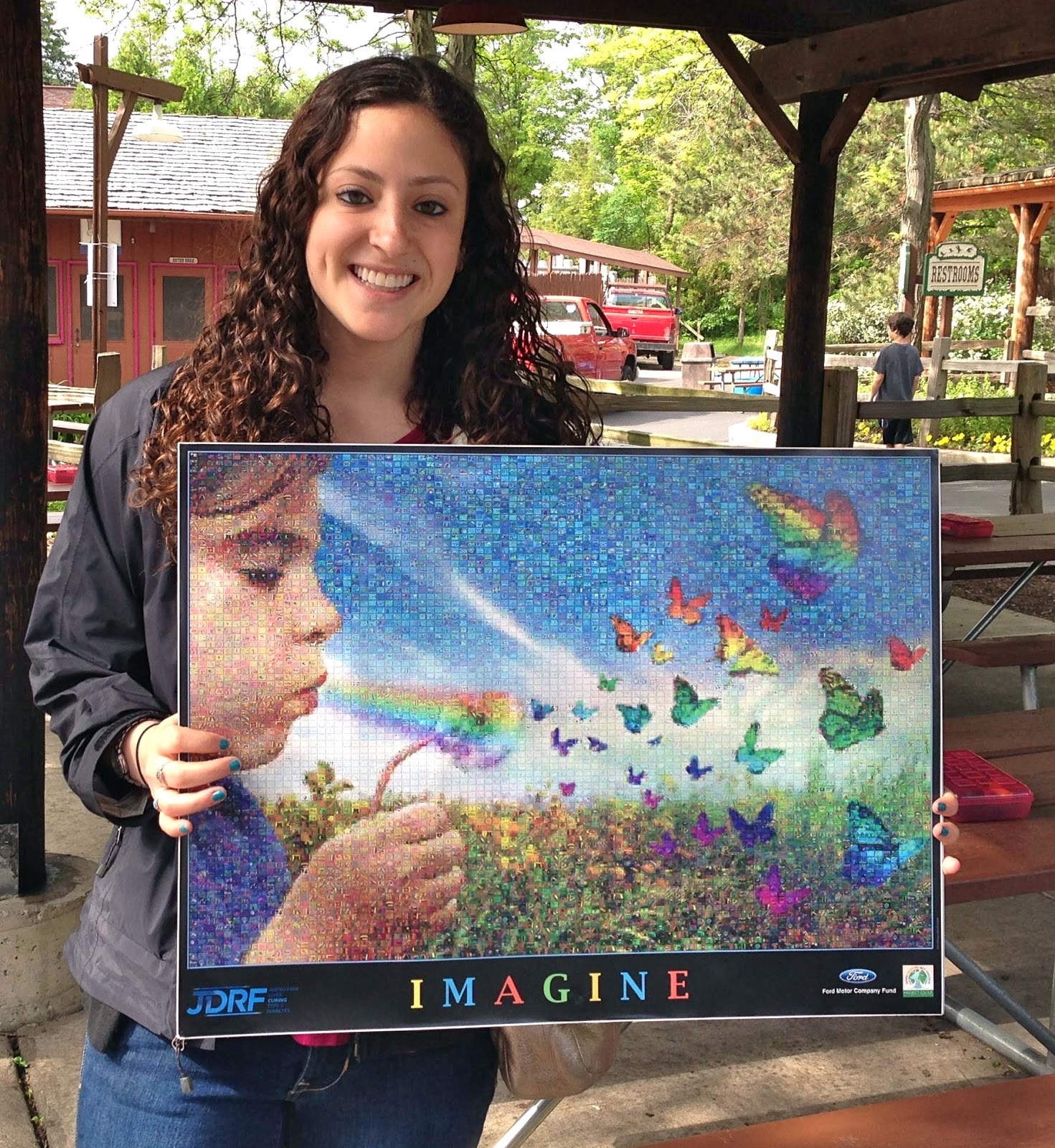
This past weekend my sister and I drove to the Six Flag amusement park near Chicago to volunteer with the JDRF Illinois Family Day. We were volunteering with an organization called Project S.N.A.P, which uses art, technology, and social media as a means to communicate ideas, collaborate around a common goal, and activate change around different causes, in this case, finding a cure for type 1 diabetes. This particular project, Color for a Cure, is a partnership between Project S.N.A.P, the Ford Motor Company Fund and JDRF Illinois. A giant 4’x6′ mosaic mural is created from individual pictures drawn by JDRF Illinois children and families, members of the JDRF Illinois community, and students from across the Chicagoland area. After drawing a picture, participants are able to go online and see exactly where in the mural their picture is in the Project S.N.A.P Online Art Museum! This was the 5th year that Project S.N.A.P and the Ford Motor Company Fund have partnered with JDRF Illinois for Color For a Cure. Over the last 5 years, more than 10,000 artworks have been created! Below is a video from the 2011 Family Day, or you can watch the video from 2012 here.

I have been volunteering with Project S.N.A.P at the JDRF Illinois Ron Santo Walk to Cure Diabetes for a couple years now, but this was my first time attending Family Day. Project S.N.A.P collects pictures from both events, which are then are used to make up the mosaic. What’s so amazing about this project are all the individual pictures that people draw, but also how everyone comes together to collectively comprise the larger image. Kids will come over with their family and friends and sit down and start drawing. Even people that insist that they aren’t artistic or can’t draw end up making beautiful and colorful pictures with such powerful and inspiring messages of what it’s like to have diabetes themselves or have a loved one who does. They are messages of hope, love, support, and of coming together to fight for a cure.

Me holding last year’s mosaic mural

I had the opportunity while I was there to talk with a few families and some other type 1 diabetics. I always find it interesting to share stories and hear other people’s experiences. I talked with one young girl that was diagnosed at age 7 and another girl diagnosed in her 20s.  I also talked with some parents about what their child is going through versus my own experiences. It kind of makes me wish that I had gone to more events like this when I was younger, but I’m glad that I am going now.

It was a great day working with Project S.N.A.P and being part of this inspiring project with so many wonderful T1 diabetics. And after the event, we had a lot of fun going on the roller coasters at Six Flags. For once it wasn’t my blood sugars that were going high and then low and then high again!

To see the mosaic murals from the past years and to learn more about Project S.N.A.P, visit www.projectsnap.org/jdrf/